The Stories We Tell
By Dr. Kathy Martin, Glenmeadow
Published in Longmeadow Neighbors | December 2025

Storytelling has always been a powerful thread weaving together families and communities. In the mid-1980s, country duo The Judds released the song “Grandpa, Tell Me ’Bout the Good Old Days,” which captures the magic of passing stories from one generation to the next. The lyrics invite a grandparent to share memories, encouraging reflection on times gone by and nurturing a bridge between past and present. This act of storytelling is not just about preserving history—it’s about forging meaningful connections and cultivating understanding between people of different ages.
When younger individuals ask older adults to recount their life experiences, they gain insights into a world they may never have known. Listening to stories about life before digital communication, for example, helps foster a greater respect for the resilience and creativity required to navigate a different era. It also encourages appreciation for the unique perspectives and wisdom older adults offer. The benefits extend far beyond the listeners; for the storytellers, revisiting personal memories can enhance cognitive function and emotional well-being, decrease feelings of isolation, and spark creativity. Sharing stories becomes a mutually enriching experience, uplifting everyone involved.
Research and real-life experience recount the positive effect of intergenerational storytelling. Students who participate in these programs often report feeling more alive and engaged, while older adults find that sharing their stories bridges the gap between generations and creates new friendships. Storytelling encourages empathy and prompts everyone to reflect on their own experiences, often revealing common ground and shared values that might not be apparent at first glance.
Community living environments for older adults, such as Glenmeadow, are fertile ground for these meaningful exchanges. Many residents choose such communities for the opportunity to meet new people and learn new things. Whether chatting over a meal, participating in organized programs, or relaxing in gathering spaces like the Family Living Room or Barden Family Library, residents regularly swap stories about their journeys. These everyday conversations promote a sense of belonging and can increase happiness. When people learn about each other’s backgrounds and adventures, they often discover unexpected connections and grow together, creating a supportive and vibrant community.
Oral storytelling is powerful, and writing stories brings additional benefits. Putting memories to paper helps improve memory and cognitive skills, creating new neural pathways. A written record preserves stories for future generations, offering an archive that celebrates individual lives and serves as a collective legacy. At Glenmeadow, this tradition is embodied in The Hummingbird, a quarterly publication featuring resident contributions. Each issue is filled with stories and reflections on memorable moments of life—perhaps related to work or military service, travel, or anything else that comes to mind. Some residents submit stories only once, while others contribute regularly; every piece adds depth and variety to our community, helping residents get to know one another better.
The Hummingbird is curated by an editorial board of residents whose work begins with brainstorming sessions and the launch of the “Feed the Hummingbird” prompt sheet that is shared with all residents. These prompts help residents think about key topics for submissions or community summaries. For instance, a recent prompt was, “What do the ‘good old days’ mean to you?” The publication is eagerly anticipated with each release, quickly picked up and discussed throughout the community. Now approaching its 30th issue, The Hummingbird is a collection of diverse stories and a living history, ensuring that the experiences, lessons, and legacies of Glenmeadow residents are cherished and remembered.
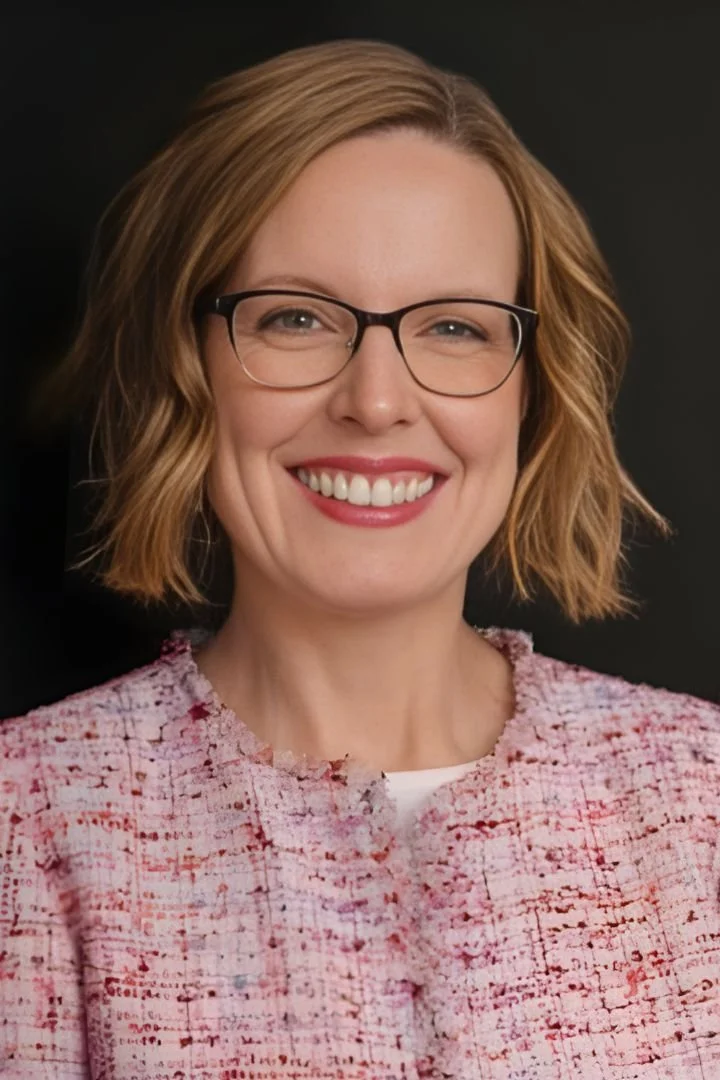
Dr. Kathy Martin
Senior Living
Glenmeadow
413-567-7800
glenmeadow.org
Maintaining a regular storytelling practice offers older adults not only cognitive and social benefits but also boosts resilience and perseverance. Today’s digital platforms, storytelling services, voice threads, and talk-to-text tools make it easier than ever to document and share narratives. Engaging with others’ stories, whether by reading or listening, fosters empathy and expands perspectives, helping both storytellers and listeners see the world through new eyes.
Ultimately, the exchange of stories within communities—whether spoken, written, or digitally archived—inspires and connects people.
Each narrative adds richness to the collective tapestry, strengthening bonds and ensuring that personal histories are honored. Appreciating the stories of older adults is not just about looking back—it’s about deepening relationships, building understanding, and celebrating the legacy that each person contributes to the community. By embracing storytelling, we all become keepers of history and builders of belonging.
Other Articles from this Issue…